Conversion Rate: Measuring How Well Visitors Take Action

Conversion Rate: Measuring How Well Visitors Take Action

What is Conversion Rate? The conversion rate represents the proportion of individuals visiting a website, viewing an advertisement, or receiving an email who ultimately engage in a specific action, be it making a purchase, completing a form, downloading a resource, or subscribing to a newsletter. This is an essential metric for assessing the impact of…

Conversion Funnel: Mapping the Path From Visitor to Customer

Conversion Funnel: Mapping the Path From Visitor to Customer

What is a Conversion Funnel? A conversion funnel serves as a framework that depicts the various stages a prospective customer navigates before achieving a specific goal, like making a purchase, registering, or downloading a resource. It illustrates the journey users take from becoming aware to making a decision, pinpointing the moments they disengage and where…

Contextual Advertising: Delivering Ads That Match the Moment

Contextual Advertising: Delivering Ads That Match the Moment

What is Contextual Advertising? Contextual advertising represents a sophisticated approach to digital marketing, where advertisements are strategically placed according to the content of a webpage, rather than relying on user behavior patterns. Rather than monitoring personal data, it aligns advertising keywords and themes with pertinent website material — for instance, displaying a sports equipment advertisement…

Content Syndication: Expanding Reach Through Strategic Distribution

Content Syndication: Expanding Reach Through Strategic Distribution

What is Content Syndication? Content syndication involves the practice of sharing previously published materials—such as articles, blogs, videos, and infographics—on external platforms to expand audience reach. It enhances visibility, boosts referral traffic, and generates leads by ensuring content is accessible through various channels. Why Content Syndication Matters Wider Reach: Showcase your content to fresh audiences…

Content Pillar: The Foundation of a Scalable Content Strategy

Content Pillar: The Foundation of a Scalable Content Strategy

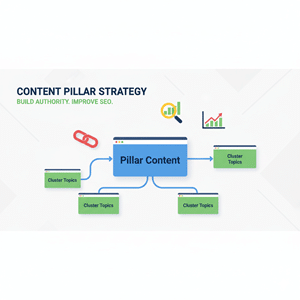
What is a Content Pillar? A content pillar is an extensive and detailed piece of writing, typically exceeding 2,000 words, that explores a central topic in great depth. This acts as the main focal point for associated subtopics and interconnected content, all designed to establish expertise in the subject matter. Pillars usually serve as timeless…

Content Marketing: Driving Growth Through Value-First Storytelling

Content Marketing: Driving Growth Through Value-First Storytelling

What is Content Marketing? Content marketing involves the thoughtful development and sharing of meaningful, pertinent, and steady content aimed at captivating and involving a specific audience — ultimately seeking to encourage profitable customer engagement. In contrast to straightforward advertising, this approach emphasizes providing value from the outset—through blogs, videos, guides, podcasts, and more—to foster trust…

Content Gap: Finding What’s Missing in Your Strategy

Content Gap: Finding What’s Missing in Your Strategy

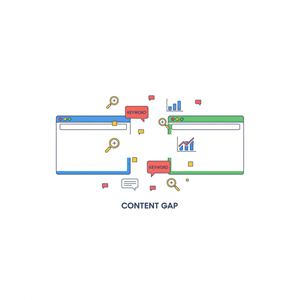
What is a Content Gap? A content gap refers to the information, keywords, or topics that your audience is actively seeking but that your website fails to address at present. Recognizing these gaps enables marketers to develop fresh content that aligns with user intent, enhances SEO performance, and seizes market share from rivals. Why Content…

Content Decay: The Gradual Decline of Content Performance

Content Decay: The Gradual Decline of Content Performance

What is Content Decay? Content decay refers to the gradual decline in traffic, rankings, and engagement of previously successful content such as blogs, guides, and landing pages. This downturn frequently arises from emerging competitors, shifts in search intent, obsolete information, or updates to algorithms. Why Content Decay Matters Traffic Loss When content falls in rankings,…

CMS (Content Management System): Powering Digital Experiences

CMS (Content Management System): Powering Digital Experiences

What is CMS? A Content Management System (CMS) is a software tool that empowers users to create, manage, and publish digital content effortlessly, without needing extensive coding expertise. Well-known content management systems encompass WordPress, Drupal, Joomla, and Shopify. Why CMS Matters in Digital Marketing Ease of Use Individuals without a technical background can swiftly refresh…

Churn Rate: Measuring Customer Loss and Retention Health

Churn Rate: Measuring Customer Loss and Retention Health

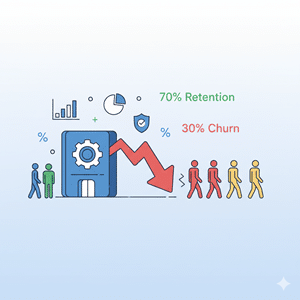
What is Churn Rate? The churn rate, often referred to as the attrition rate, represents the percentage of customers who discontinue using a product or service within a specific timeframe. This is an essential measure for subscription-based businesses, SaaS platforms, and service providers to assess customer loyalty and retention effectiveness. Why Churn Rate Matters Revenue…