
What are Dynamic Ads?
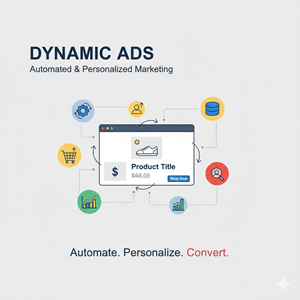
Dynamic ads represent a sophisticated approach to advertising, utilizing automation to tailor content—be it images, products, or text—on the fly, reflecting the unique interests, behaviors, and browsing histories of users. Rather than presenting a uniform advertisement to all, dynamic ads utilize information from a product catalog or content feed to showcase tailored offers that resonate with each person.
Why Dynamic Ads Matter
Hyper-Personalization:
Individuals encounter advertisements tailored to their unique preferences, such as items they have explored or material they have interacted with.
Higher Engagement & CTR:
Targeted advertisements enhance click-through rates as they resonate closely with what users are seeking.
Scalable Campaigns:
Dynamic ads streamline the process of personalizing a vast array of products or services, allowing for significant time and effort savings.
Stronger Conversions:
Demonstrating to customers the options they have previously considered increases the likelihood of a purchase.
Cross-Platform Consistency:
They integrate effortlessly across platforms like Facebook, Google, Instagram, LinkedIn, and various programmatic ad networks.
Key Components of Dynamic Ads
- Product Feed/Catalog: A well-organized collection of items featuring detailed descriptions, pricing information, and accompanying images.
- Tracking Pixel/Tag: Observes how individuals interact with websites or applications.
- Ad Templates: Adaptable advertising creatives that dynamically extract product or content information.
- Audience Segmentation: Organizes individuals according to their online behaviors, motivations, or characteristics.
- Platforms & Channels: Dynamic Search Ads on Google, Dynamic Ads on Facebook, and Dynamic Creative Ads on LinkedIn.
How SEO Agency Boston Leverages Dynamic Ads
- eCommerce Retargeting: Showcasing items left in carts or viewed without completing the purchase.
- Local Boston Targeting: Advertisements adjust to highlight local store locations, available services, or special offers.
- Content Promotion: Leveraging dynamic creatives to promote blogs, case studies, or service features.
- Cross-Selling & Upselling: Recommending complementary services or enhancements following a primary purchase.
- Performance Optimization: Immediate modifications to creative elements and placements informed by click-through rates and conversion metrics.
Best Practices for Dynamic Ads
- Ensure that product feeds are precise, current, and organized effectively.
- Incorporate top-notch visuals and straightforward calls to action.
- Divide audiences carefully to steer clear of mismatched targeting.
- Explore various innovative formats such as carousels, single images, and videos.
- Consistently monitor and enhance performance through the use of analytics dashboards.
- Make certain to adhere to privacy regulations when utilizing user behavioral information.
Related Terms
- Retargeting
- Personalization
- Programmatic Advertising
- Conversion Funnel
- Marketing Automation
Common FAQs About Dynamic Ads
Static ads deliver uniform content to every viewer, whereas dynamic ads tailor their messages based on personal interests and past browsing behavior.
No. These strategies work well for businesses that provide services, promote content, and engage in B2B campaigns.
Not necessarily—the return on investment is frequently greater because of enhanced relevance and increased conversion rates.

From Generic Campaigns to Tailored Experiences
At SEO Agency Boston, we create engaging ad campaigns that ensure the perfect message reaches the ideal audience at the optimal moment—enhancing returns and boosting customer satisfaction.